Live well.
Drink light.
Tread lightly.
LiveSwell is a sustainability-focused craft brewery built around what most American breweries refuse to take seriously: genuinely good beer at 1–4% ABV. A category opening, a coastal aesthetic, and a 36-month pathway from brand to taproom.
Snapshot
The lineup
Five beers, one philosophy
3.8% ABV
LiveSwell Lager
Crisp, clean, all-day Mexican-style lager. The flagship — built to live in coolers and coastal afternoons.
2.8% ABV
Sol Swell
Light citrus session ale with a hint of sea salt. Brewed for surfers, hikers, and anyone trying to make the second beer feel as good as the first.
4.0% ABV
Drewske Brewske
The founder's beer. A nod to Polish heritage and the home brewer's roots — a refined grodziskie-style smoked wheat at sessionable strength.
3.5% ABV
Tread Light IPA
A genuinely hop-forward IPA at session ABV. Proof that low-alcohol does not mean low-flavor.
3.2% ABV
Quiet Coast Pils
A delicate German-style pilsner. The beer to drink slowly while doing nothing in particular.
The category
LiveSwell owns 1–4% ABV
Why low-ABV
The market is moving
Non-alcoholic beer is the only growing beer category in the US. The actual cultural shift is broader — drinkers want to drink more often, more lightly. Almost no California craft brewery has staked a real claim on the 1–4% range. LiveSwell does.
Why us
Coastal, calm, capable
A consistent voice (live well, tread lightly), a recognizable visual identity tied to the California coast, and a founder who actually drinks this way. The brand precedes the brewery.
Sustainability
Tread lightly, not just in name
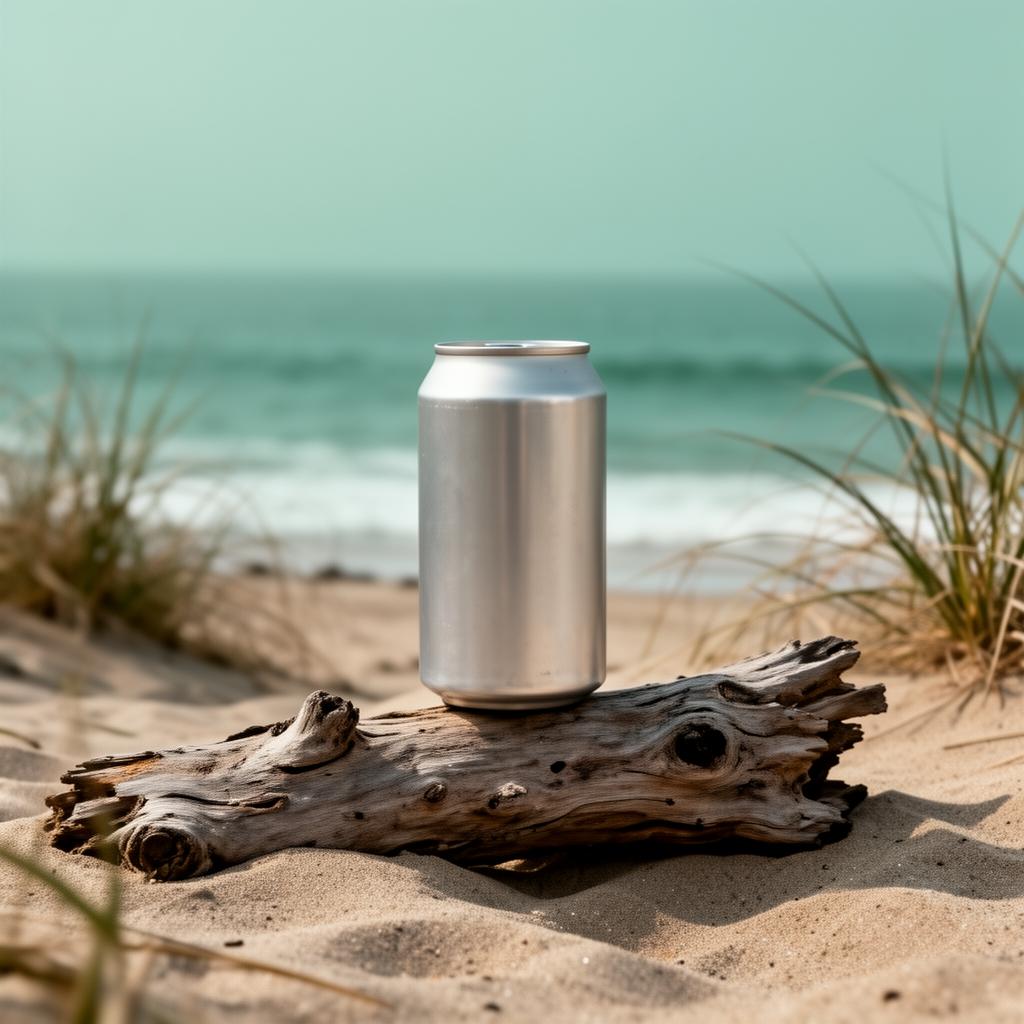
Lower-ABV beer uses less grain, less energy, and less water per serving than the 7% IPAs that dominate craft. That math is the brand. Layered on top: spent-grain partnerships with local farms, solar-first taproom siting, and reusable / aluminum-first packaging.
Sustainability is positioned as a consequence of the product philosophy, not a marketing layer — which is the only way it survives the first hard quarter.
Go / No-Go
Five green lights — any red halts it
- 1. Kegs for a Cause completes ≥6 events with positive contribution margin.
- 2. Private-label test confirms a contract brewer at workable cost.
- 3. Independent palate validation of at least two core recipes.
- 4. $50K+ committed via founder + family + 1–2 strategic investors.
- 5. Founder remains a willing operator after the K4C operating year.
Any single failed gate stops the project. This framework lives in the full study — read it there →